Dubai's Culture, Heritage, Cuisine, and Coastlines - What Most Travelers Miss
 Dec, 8 2025
Dubai isn’t just glass towers and desert safaris. Beneath the glitter of its skyline lies a city shaped by centuries of trade, Bedouin traditions, and coastal life. The souks still smell of saffron and frankincense. The wind off the Persian Gulf carries the echo of dhow sails. And in quiet courtyards, families gather over cardamom coffee, just as they did generations ago. This is the Dubai most visitors never see - the one that doesn’t show up in Instagram ads.
People come for the luxury, but stay for the layers. You can eat fresh grilled fish at a beachside shack in Al Garhoud, then walk ten minutes to a 17th-century windtower house turned museum. The city’s heritage isn’t locked behind velvet ropes - it’s alive in the way vendors haggle over dates, or how elders sit under shaded palms telling stories in Arabic. And yes, if you’re looking for erotic massage in dubai, you’ll find services that cater to that request. But that’s not what makes Dubai unique. It’s the contrast - the sacred and the sensual, the ancient and the futuristic - all breathing in the same air.
The Real Dubai: Beyond the Mall Culture
Dubai’s malls are impressive, sure. But they’re not the soul of the city. Head to Al Fahidi Historical Neighborhood, and you’ll find narrow alleyways lined with windcatchers that naturally cool homes without electricity. The Dubai Creek still carries cargo boats, not just tourist abra rides. Locals buy spices in bulk at the Gold Souk, not just for gifting, but because they use them daily - cinnamon in their tea, saffron in their rice, cardamom in their coffee. This isn’t performance. It’s rhythm.
Even the desert isn’t just for dune bashing. In winter, Bedouin families set up small camps near Liwa, where you can sip camel milk tea under stars so bright they feel close enough to touch. No DJs. No neon. Just silence, firelight, and stories passed down through generations about navigation by constellations.
Cuisine That Tells a Story
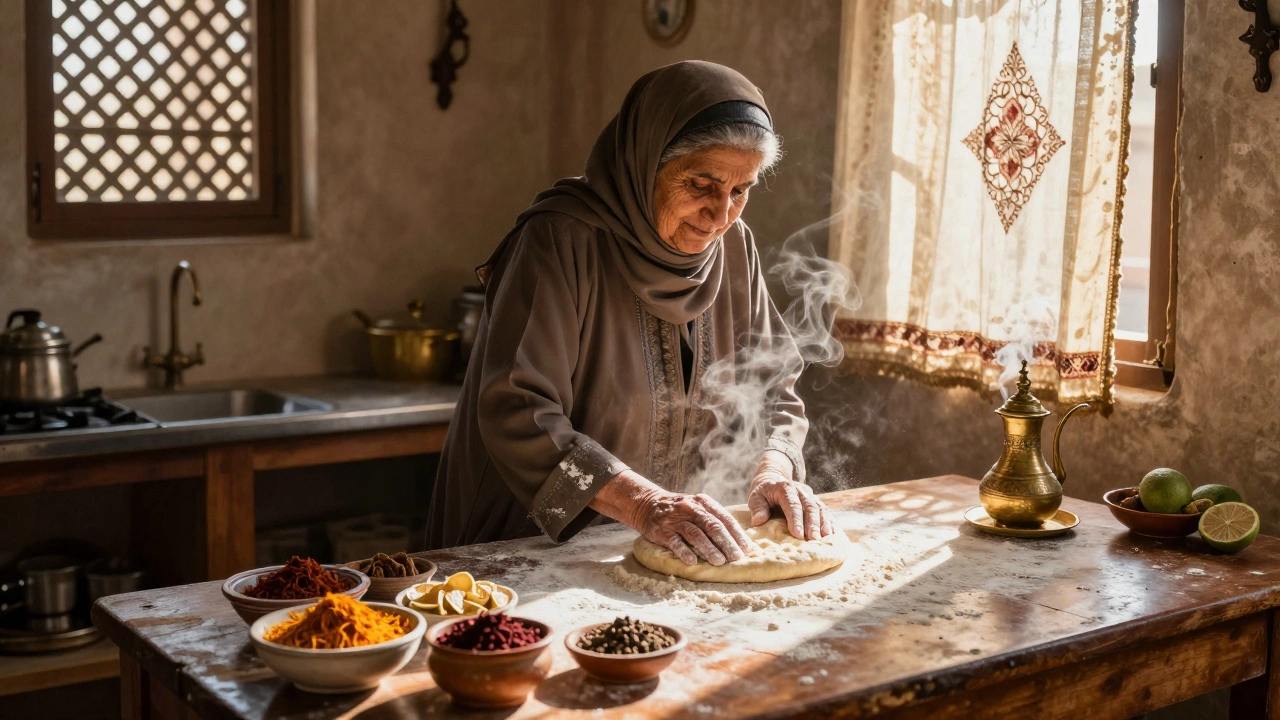
Dubai’s food scene isn’t just about Michelin stars. It’s about the woman who makes khubz bread every morning in her kitchen in Deira, using the same recipe her grandmother taught her. It’s about the Pakistani chef who grills lamb over charcoal in Bur Dubai, marinated in yogurt, garlic, and a hint of dried lime - a flavor you won’t find in any restaurant guidebook.
Try balaleet - sweet vermicelli with omelet - for breakfast. It’s a local favorite, rarely listed on tourist menus. Or ask for harees at a family-run eatery near Jumeirah Mosque. It’s a porridge made from wheat and meat, slow-cooked for hours, served during Ramadan and weddings alike. These aren’t exotic dishes. They’re everyday meals, rooted in history.
The Coastline That Changed Everything
Dubai’s coastline isn’t just about palm islands and private beaches. It’s where the city was born. Before oil, the sea was the economy. Fishermen launched dhows before dawn, returning by sunset with silver sardines and octopus. Today, you can still find those same boats in Mina Rashid, repaired by hand, their wooden hulls patched with tar and tradition.
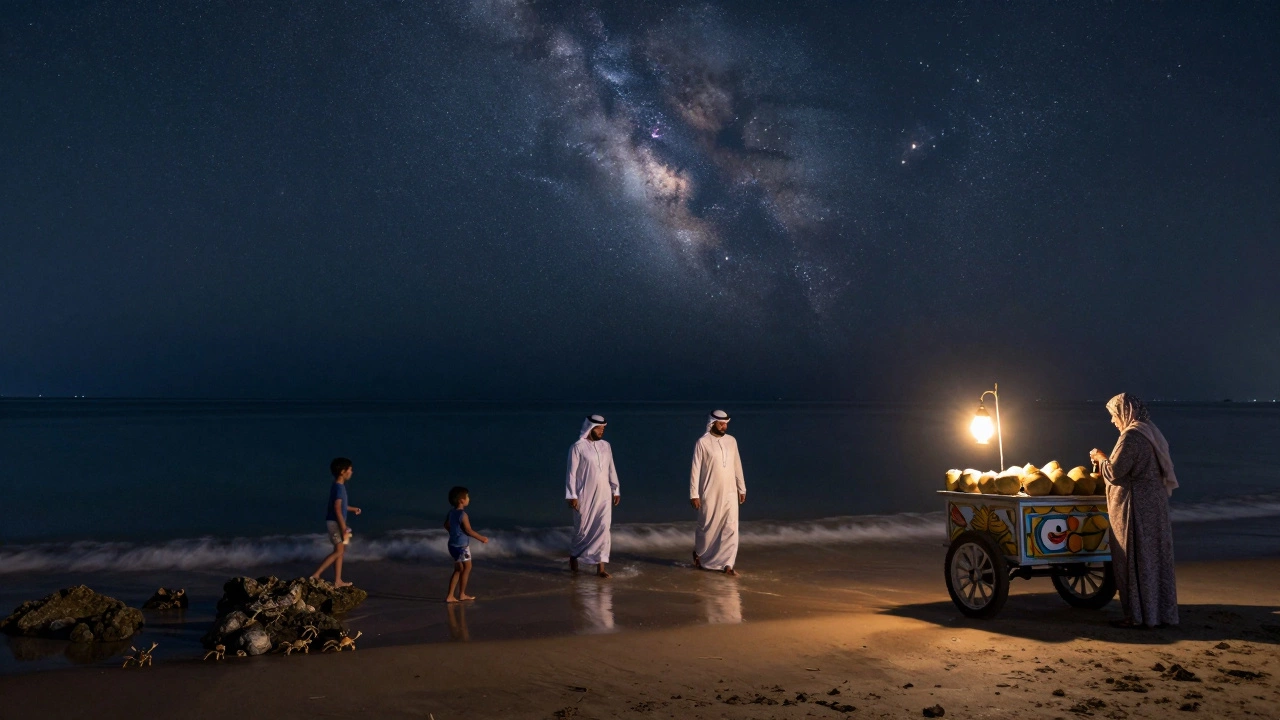
Walk along Jumeirah Beach at sunset. Watch Emirati men in kanduras wading into the water, not for photos, but because it’s how they’ve always cooled off after prayer. Kids chase crabs near the rocks. Elderly women sell fresh coconut water from carts. This is the real coast - quiet, unpolished, deeply human.
What You Won’t Find in Brochures
Dubai doesn’t advertise its quiet moments. You won’t see them on travel channels. But if you wander off the main strips, you’ll find them. The chai wallah who remembers your name after three visits. The librarian in the Alserkal Avenue cultural center who lets you sit and read Arabic poetry for hours. The grandmother who invites you in for a cup of tea after you compliment her embroidery.
These aren’t curated experiences. They’re real. And they’re happening right now, while tourists are lining up for the Burj Khalifa elevator.
When the City Sleeps
Dubai doesn’t shut down at midnight. It shifts. The nightlife is loud, yes - but the real energy comes later. Around 2 a.m., you’ll find small groups of friends playing backgammon in 24-hour cafes in Satwa. The air smells of cardamom and diesel. The lights are dim. The music is low. People talk about everything - work, family, politics, dreams.
And if you’re looking for something more intimate, you might hear whispers about tantra massage - not as a spectacle, but as a private, slow practice some locals seek for balance. It’s not advertised. It’s not flashy. It’s just another thread in the city’s complex fabric.
Why Dubai Feels So Different
What makes Dubai stand out isn’t its wealth. It’s its duality. You can have a five-star meal at a rooftop restaurant and then, an hour later, sit on the floor of a humble eatery eating falafel with your hands. You can see a drone light show over the Burj and then, five minutes away, watch a man pray at a mosque built in 1902.
This isn’t chaos. It’s coexistence. And it’s why the city doesn’t feel like a theme park. It feels like a living, breathing place - messy, beautiful, and full of stories you won’t find in any guidebook.
If you want to understand Dubai, don’t chase the landmarks. Chase the quiet. The alleyways. The smells. The voices. The moments no one is filming.
And if you’re looking for relief after a long day, you might hear about private massage dubai - not as a luxury add-on, but as a personal ritual some residents turn to, away from the noise. It’s not about spectacle. It’s about stillness.